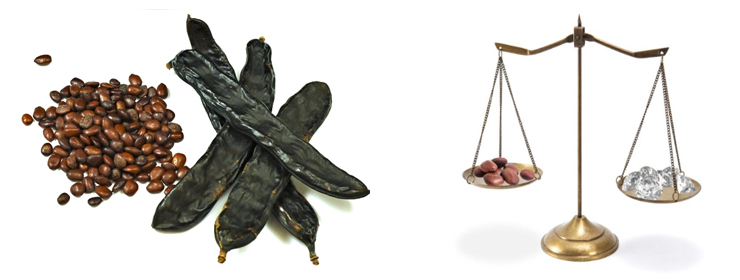
1. Carob Seed
The modern diamond unit of measurement—the carat—gets its name from the uniform weight of seeds from the carob seeds.
History and Origin
- Ancient Counterweights: Early gem and diamond traders used dry carob seeds on balance scales because the seeds maintain a remarkably uniform weight.
- The Weight: Each individual carob seed weighs approximately 20 grams (200 milligrams). 1 carat = 1/5 of a gram
- Etymology: The word “carat” comes from the Greek word kerátion, meaning “carob seed”
2. Head Loupe
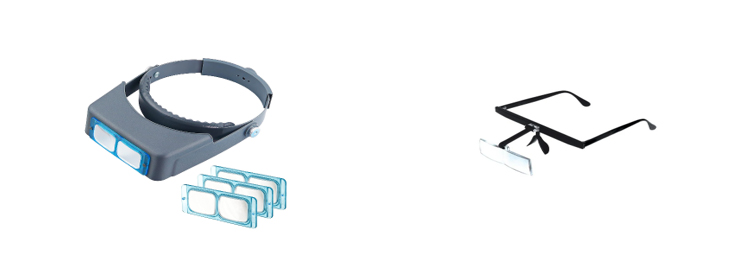
Head loupe is a hands-free, wearable magnifying tool fitted to an adjustable headband or visor, letting you see tiny details up close on a diamond being sorted while keeping both hands free.
Key Features & Uses
- Interchangeable Lenses: Most models come with multiple snap-in or flip-up lenses offering different power levels (commonly ranging from 1.2x up to 5.2x magnification).
- Eyewear Friendly: Designed to fit comfortably over most standard prescription eyeglasses or safety specs.
- Common Applications: Used for initial breakup of run of mine. Also used for sorting model, quality and colour.

3. Hand Loupe
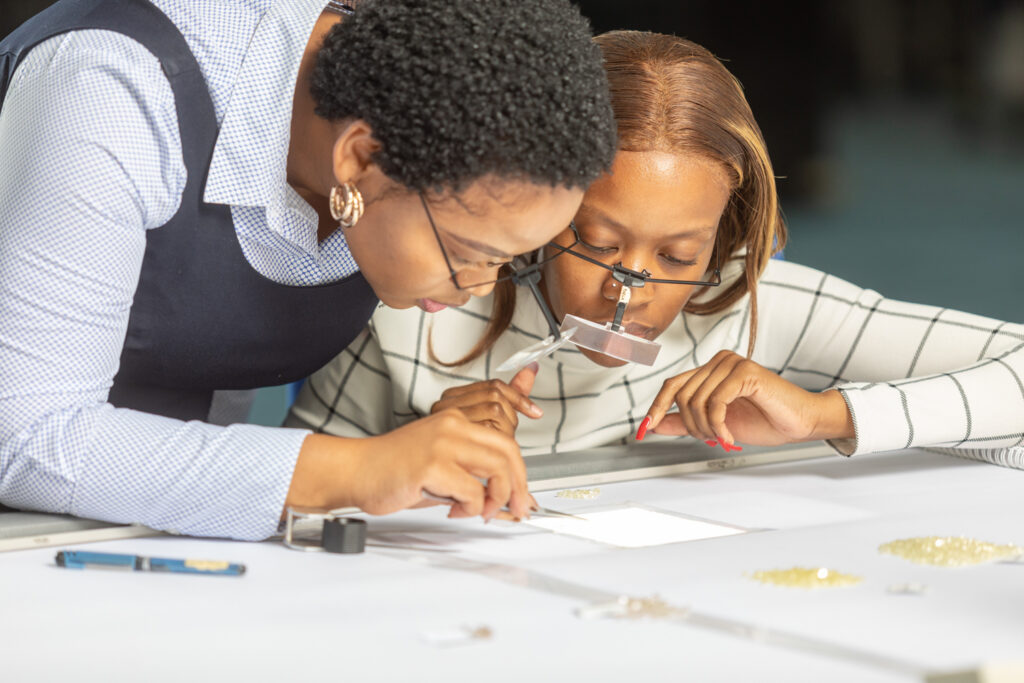
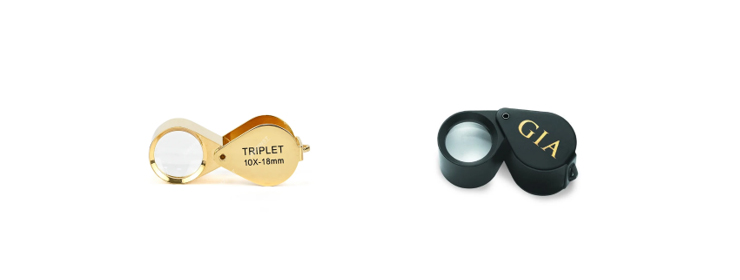
A hand loupe is a small, portable magnifying device used to inspect fine details on diamonds sorted.
Key Types and Features
- Magnification Power: Typically ranges from 5x to 30x, with 10x being the industry standard for diamond sorting.
How to Use a Hand Loupe Properly
- Bring to Eye: Hold the loupe directly up against your eye (or very close to it), with one hand, while the diamond inspected is in the other hand, held between the thumb and first finger.
- Move Object: Bring the diamond you are viewing closer to the lens until it comes into sharp focus. When the diamond is fully in focus, it can be rotated slowly and examined from every angle. Both eyes should remain open.
- Keep Steady: Keep your hands steady or brace them against your face to minimize shaking.

4. Tweezer
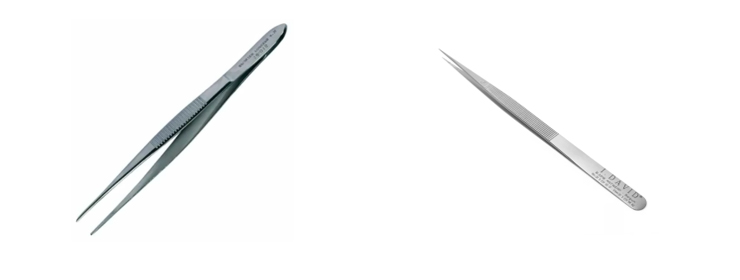
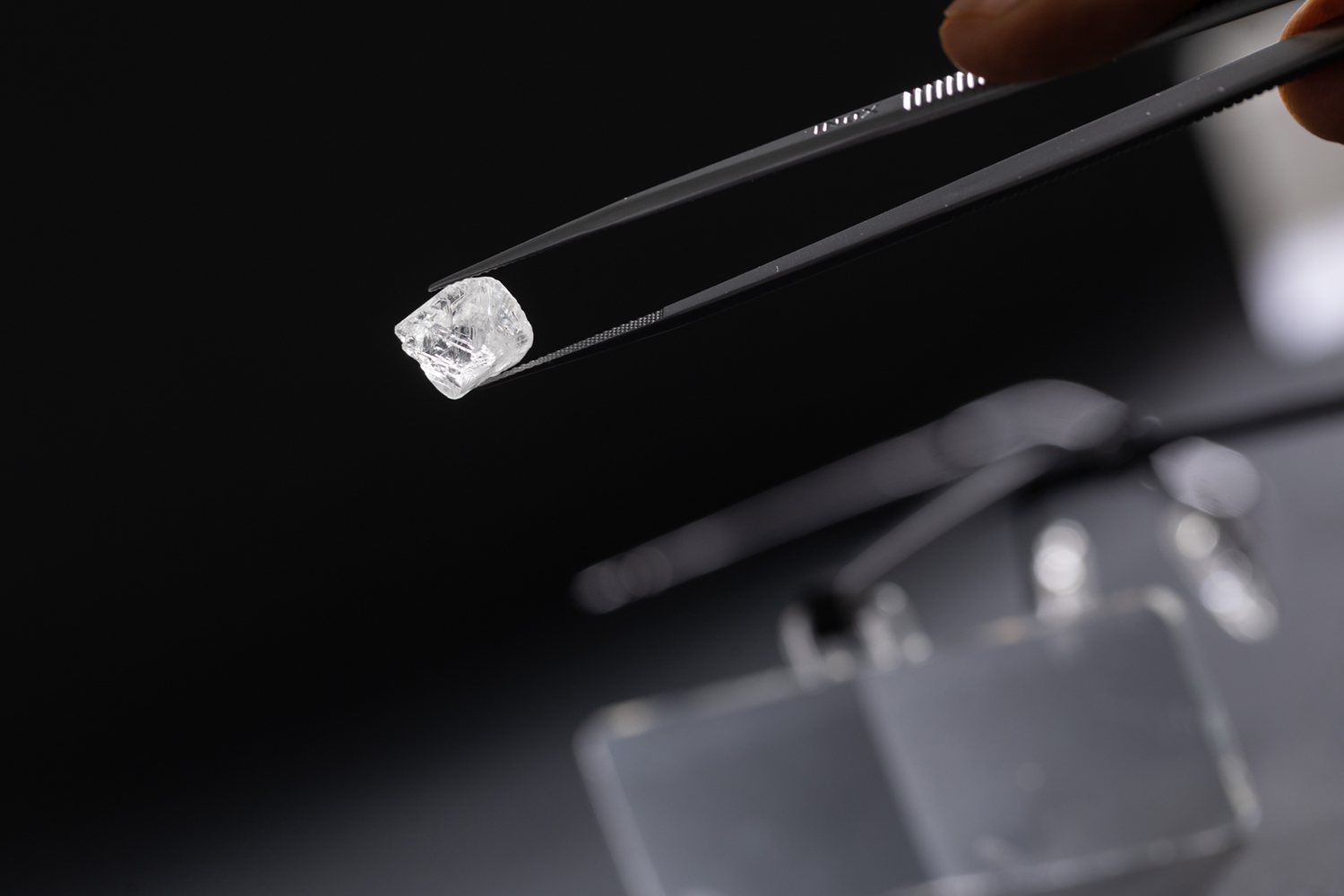
Tweezers are small tools made of two levers joined at one end, used to pick up an individual diamond for closer examination or to move several diamonds on the bench while doing head loupe sorting or counting.
Common Applications: Used for picking up, counting and moving diamonds into groups whilst sorting.
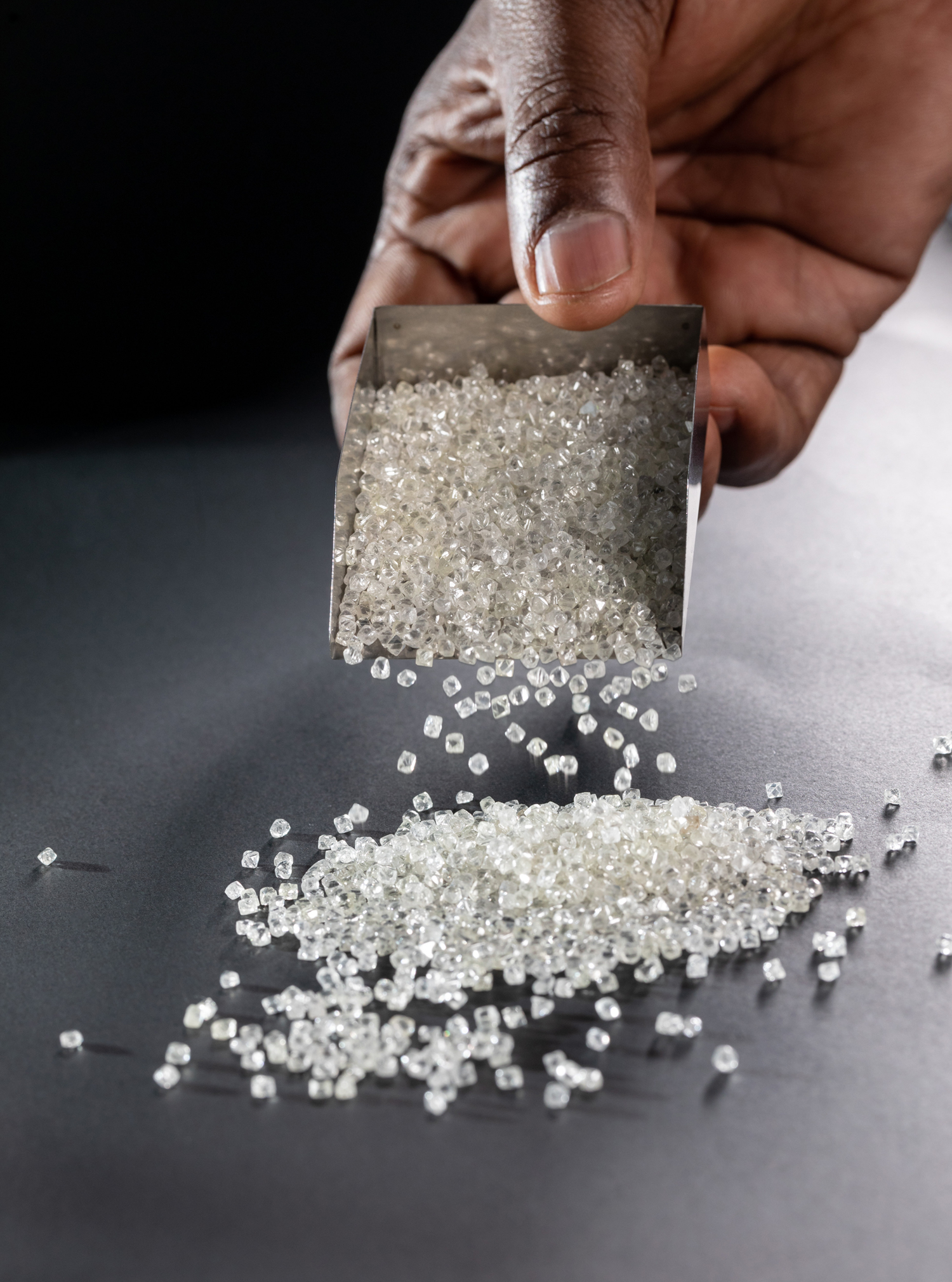
5. Scoop
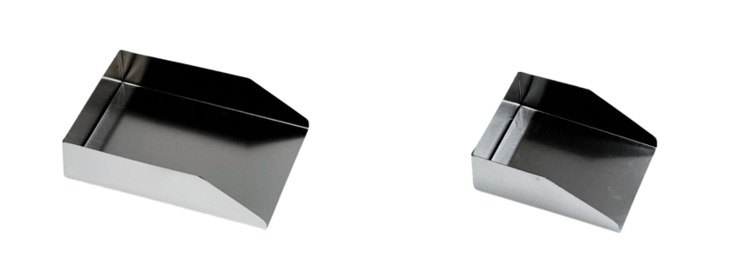
A diamond Scoop is a small, flat shovel-like tool used by sorters to safely lift and transfer loose diamonds.
Uses
- Safe Transfer: Moves diamonds into different pots and boxes without dropping them.
- Bench Cleanup: Gathers small loose items like diamond dust or breakages from a workbench.
Common Types and Sizes
- Material: Typically made from nickel, stainless steel, titanium, or coated alloy for durability and a smooth surface.
- Design: Usually flat and handleless or featuring a low-profile tab to save space and allow precise pouring
- Dimensions: Standard sizes range from small (approx. 45 x 33 mm) to larger sorting trays (up to 75 x 60 mm)